



How to Buy Trail Running Shoes
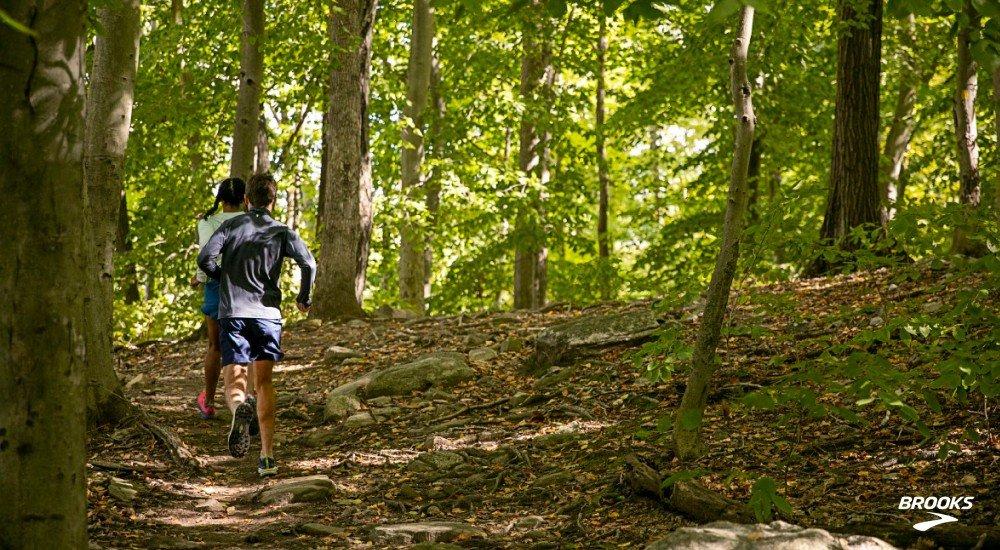
Trail running is an exciting way to explore nature while also getting your daily exercise. However, it's important to have a good pair of trail running shoes to ensure that you are comfortable and safe on uneven terrain. Our Footwear Experts walk you through how to buy trail running shoes so you stay comfortable and stable throughout your run.
What Are Trail Running Shoes?
Many people who take to the trails start by wearing their everyday running shoes. This can be a good option when just starting out, but if you plan on regularly running on trail terrain, it’s best to wear a pair of trail-specific running shoes. Trail running shoes feature lugged outsoles for reliable grip, a stiffer construction to prevent any slipping, and an upper that’s designed to protect feet from trail debris.
Step #1: Consider the Trail Type
When buying your first pair of trail running shoes, it’s important to find a pair that matches the type of trails you’ll spend most of your time running. There are different types of trail running shoes, and your terrain will determine which type and features you’ll need. Our Footwear Experts highlight the two main types of trail running shoes you’ll see when shopping—light and rugged.
Light Trail Runners
This type of trail running shoe will fit and feel very similar to your road running shoes. The main highlights include:
Rugged Trail Runners
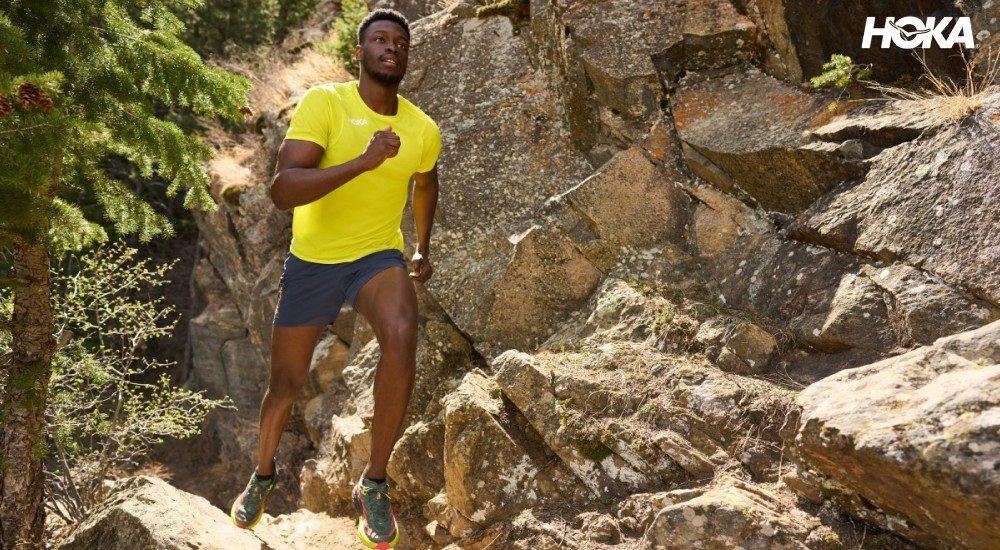
This type of trail running shoe will be a bit heavier than a light trail runner yet offers greater protection and features for more technical terrain.
Step #2: Find the Right Fit
Once you know which type of trail runner meets your needs, you want to make sure you get the right fit. You don't want shoes that are too tight or too loose because this can cause blisters and discomfort.
-
Try your trail running shoes on at the end of the day. It’s important to wear the same socks and orthotics (if applicable) you plan to wear on the trails.
-
Slide your foot all the way to the heel. Check to see if there’s about half an inch from the end of the shoe to your toe.
-
If there’s too much room, you’ll want to size down. If there’s not enough room, you’ll want to size up.
Your trail runners should feel comfortable right away, but it’s always a good idea to walk around the house or on the treadmill before taking to the trail.
Step #3: Choose the Right Materials
When choosing trail running shoes, the materials can make a big difference in your overall experience. Below are a few things to consider based on the climate or trail conditions:
-
Breathable uppers are important to keep your feet cool and dry during hot weather or high-intensity runs.
-
If you live in a cold climate or plan to run in wet conditions, choose shoes with waterproof or water-resistant materials to keep your feet dry and comfortable.
-
If you’re running on aggressive terrain, find a pair of trail runners with a rock plate. A rock plate is part of the midsole and is designed to protect your feet from sharp rocks or roots.
-
If you’re looking for highly cushioned or supportive shoes, make sure the foam is durable and long-lasting.
Wearing the right pair of trail running shoes is essential to ensure your safety and comfort while exploring nature. By following these steps, you'll be well on your way to finding the perfect pair for your needs. If you have additional questions about trail running or are looking for the best trail running shoes of the year, stop by your local SCHEELS to speak with an Expert.