



How to Choose a Reloading Press
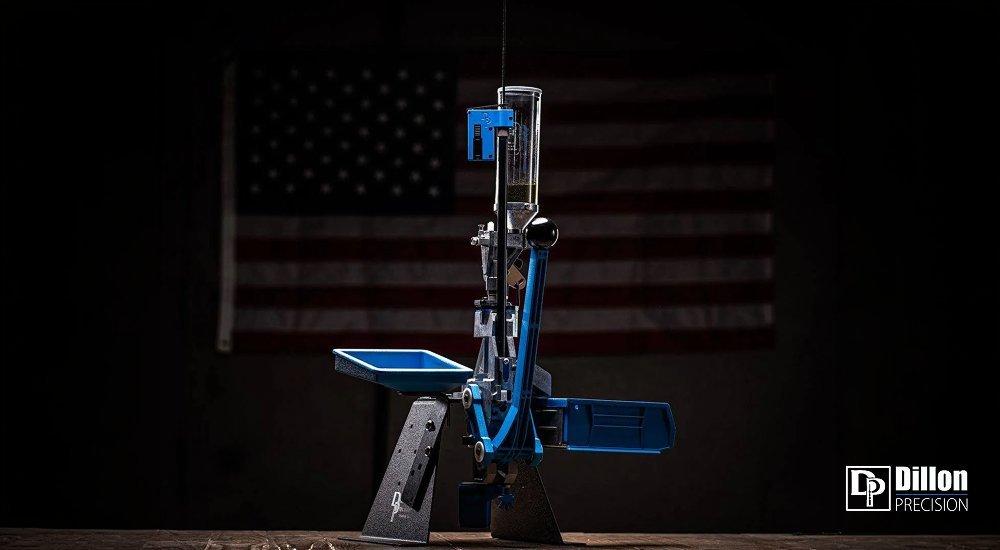
Reloading presses are the main piece of equipment used for recycling cartridge cases into loaded ammunition. They hold the die and give you the leverage needed to size brass, seat bullets, and complete each step with control. A good reloading press also helps keep your process consistent, which helps with safety, accuracy, and reliable function. In this guide, our Firearm Experts walk you through how to choose the best press for your reloading needs.
Key Features To Consider in Reloading Presses
Before buying a reloading press, you should decide on what features you'd like to prioritize to get the most efficient use out of your machine.
-
Volume and Production Speed: Every press has a different production speed capacity. Match the press style to how many rounds you need and how much time you want to spend at the bench.
-
Budget & Kit Value: Decide on whether an all-in-one starter kit fits your budget or if you prefer buying standalone gear to build a custom bench setup.
-
Cartridge Clearance & Compatibility: Ensure the press frame opening accommodates the specific handgun or long-rifle cartridges you plan to load.
-
Caliber Conversion: Consider how many different cartridges you plan to reload, and evaluate how quickly and affordably you can switch between calibers on each press type.
-
Frame Rigidity & Geometry: Decide between enclosed "O" frames that provide maximum rigidity for extreme precision, or open "C" and pillar frames that trade a tiny amount of flex for hands-on workspace access.
Reloading Kits vs Buying Separately
When setting up your first reloading bench, buying an all-in-one kit is generally the most cost-effective choice. Kits bundle a reloading press with core bench essentials—such as a powder scale, priming tool, reloading manual, and case prep accessories—at a lower price than purchasing each tool individually. However, keep in mind that kits do not include everything required to reload; you will still need to purchase your caliber-specific die set, matching shell holder, and your four cartridge-building components separately.
Expert Tip: Alternatively, if you already know you want specific high-end accessories, buying your press and tools standalone allows you to build a custom bench tailored to your exact preferences.
Types of Reloading Presses
Once you've decided between a kit and standalone tools, choose the press style that best fits your shooting goals. There are three main types of reloading presses: single-stage, turret, and progressive presses. Your preference depends on your skill level, caliber needs, and output goals.
Single Stage Press
A single-stage reloading press processes brass one step at a time, allowing you to observe each step of reloading closely and safely. Because of this step-by-step workflow, it is the most recommended choice for beginners. Single-stage presses come in enclosed 'O' or open 'C' frames that offer strong frame rigidity for sizing tough rifle brass. They also produce roughly 50 to 100 rounds per hour and are the most affordable press type to buy. While traditional presses require you to swap die sets and shell holders one at a time, modern models offer quick-change bushing systems that allow you to swap dies with a simple quarter-turn.
Best For: Beginner reloaders learning the fundamentals, long-range hunters, and precision rifle shooters.
Turret Press
A turret press strikes a great balance between single-stage and progressive presses. It offers strong caliber-conversion efficiency because its removable turret head holds multiple preset dies at once for quick rotation between steps. Turret presses utilize open 'C' frames or heavy central pillars for hands-on workspace access and have a production rate of about 150-200 rounds per hour. Because of its’ balance, it’s considered mid-price-range compared to the other two presses.
Best For: Reloaders and multi-caliber shooters wanting faster production without the high cost and setup complexity of a progressive press.
Progressive Press
A progressive press is designed for high-volume loading. Each handle pull operates on multiple cases simultaneously, producing a completed round with every stroke once the shell plate is full. These presses offer the highest production speed at 400-800+ rounds per hour. Converting calibers on an automated press requires specialized components, including shell plates, toolheads, and powder funnels. These additional parts make automated models the most expensive presses to buy.
Best For: High-volume handgun ammo and semi-automatic rifle plinking.
Related Expert Content: Single-Stage Press vs. Progressive Press
Quick Reference: Comparing Reloading Presses
| Feature | Single-Stage Press | Turret Press | Progressive Press |
|---|---|---|---|
| Best For | Beginners, precision rifle reloading, and low-volume batch loading | Multi-caliber reloaders wanting speed without complex re-tooling | High-volume handgun and semi-automatic rifle shooters |
| Upfront Cost | $ | $$ | $$$ |
| Ease of Use | Beginner-Friendly | Intermediate | Advanced |
| Production Speed | 50–100 rounds/hr | 150–200 rounds/hr | 400–800+ rounds/hr |
| Caliber Conversion | Simplest: Swap single die set and shell holder (quarter-turn swaps with quick-change bushings) | Fastest Swap: Switch pre-set removable turret heads | Most Complex: Swap shell plates, toolheads, powder funnels, and locator pins |
| Frame Geometry | Enclosed "O" Frame (maximum rigidity for rifle precision) or Open "C" Frame (easy access) | Open "C" Frame / Pillar (open front for rotating head access) | Heavy Pillar Window (rigid vertical frame to support multi-station forces) |
Frequently Asked Questions About Reloading Presses
When entering the hobby of reloading, having the best equipment is crucial to guaranteeing the best quality results. If you have any questions related to reloading your own ammo or choosing a reloading press, be sure to head to your local SCHEELS store to speak with a Firearm Expert!