



How to Pack a Hunting Backpack for a Multi-Day Hunt
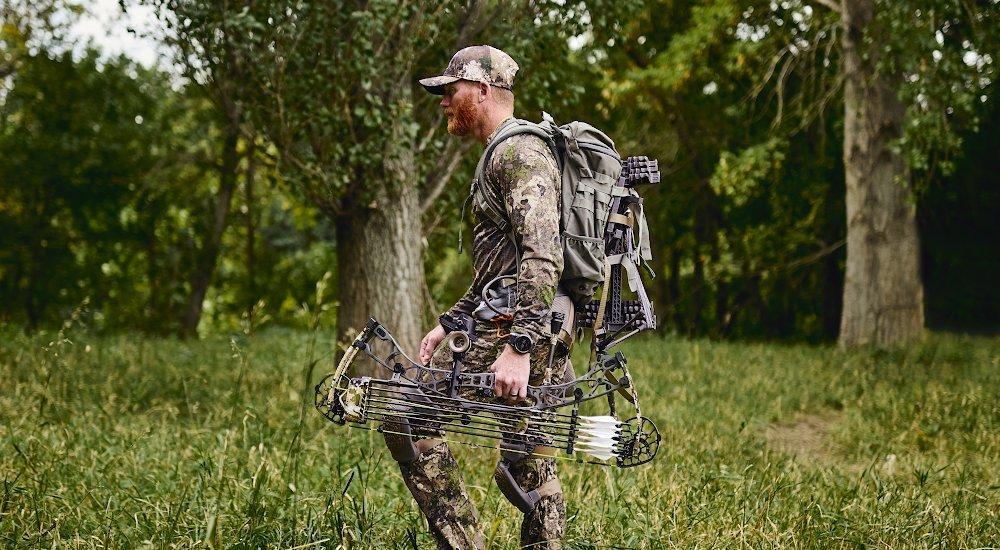
Once you've found the perfect pack for your multi-day hunt and properly adjusted the fit, it’s time to load up your gear. From sleep systems and camp stoves to extra layers and field-dressing supplies, there’s a lot to organize before heading into the backcountry. Our Hunting Experts share tips on how to pack your hunting backpack for proper weight distribution, comfort, and easy access on the trail.
Lessons from a Remote Alaska Hunt
Chace, SCHEELS Hunting Buyer, put these packing principles to the test during a DIY caribou hunt deep in Alaska’s Brooks Range. The remote location forced him to carefully consider every piece of gear he brought and how to organize it inside his hunting pack.
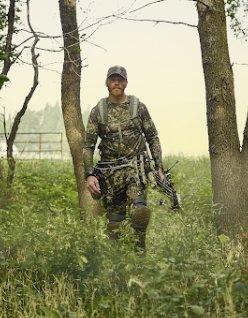
"I've gone on numerous backpacking and Western hunts, but selecting the right gear for a safe and successful hunt in remote Alaska was more challenging than I expected. I share the essential gear you'll want to make your own hunt a success and how to organize it all for comfortable carrying and easy access."
Step 1: Start with Bulky, Lightweight Items
When packing for a multi-day hunt, you’ll need a sleep system that includes a sleeping bag, shelter, and sleeping pad. Since you won’t need these items until the end of the day, they’re best stored at the bottom of your pack.
-
Roll your pad and lay it flat on the bottom of your pack.
-
Compress your sleeping bag down as small as possible. Some hunters like to put it in a waterproof dry bag for added protection.
-
Tuck away all the parts of your shelter in the corner and sides.
Step 2: Fill in a Dense, Heavy Middle
Your heaviest gear should be packed in the middle of your backpack and positioned close to your back. This helps distribute weight evenly, improves stability, and makes carrying heavier loads more comfortable.
Examples of dense, heavy items include:
-
Food and hydration supplies
-
Power banks or battery packs
-
Spotting scope and tripod
-
Ammunition
-
Kill kit for field dressing game
-
Mess kit for preparing meals
Step 3: Pad with Soft Items
Staying quiet is essential when hunting, so use soft gear to prevent hard items from rattling or banging together. Surround your dense middle section with clothing and other soft items to create padding and reduce noise.
Examples include:
-
Game bags
-
Extra clothing layers
-
Gloves
-
Beanies
-
Base layers
Step 4: Pack Frequently Used Gear at the Top
The top of your pack should hold items you may need quick access to while hiking or hunting. Keeping these items within reach prevents you from digging through your entire pack when conditions change.
Items to store near the top include:
-
Rain jacket
-
Emergency kit
-
Headlamp
-
Snacks
-
Gloves
-
Navigation tools
Step 5: Use Exterior Pockets and Straps Strategically
Exterior pockets and attachment points are designed for gear you need quickly or items that don’t fit well inside your pack. Avoid overloading outside pockets with heavy items, as this can throw off your balance.
Common items to store externally include:
-
Water bottle
-
Trekking poles
-
Weapon
Expert Tip: Organize With Packing Cubes & Dry Bags
Packing cubes can help keep your gear organized and make it easier to find what you need without unpacking your entire backpack. Many hunters use different colors or labels for each cube so they can quickly identify essential gear, clothing layers, or emergency supplies when they need them most.
Dry bags are another option for protecting gear from moisture, especially sleeping bags, clothing, and other items that need to stay dry. However, keep in mind that dry bags can add extra weight to your pack. Consider using them strategically for your most important gear rather than placing every item inside its own bag.
Frequently Asked Questions about Packing for a Hunt

Before heading out, test your pack with all your gear loaded to make sure it fits comfortably and that everything has a designated place. With a well-packed hunting backpack, you'll stay more comfortable and prepared for whatever conditions you encounter. If you have additional questions about preparing for your next hunt, stop by a SCHEELS store to speak with an Expert.
About our Experts
Chace has a strong background in backpacking and Western hunting. He now uses his knowledge to train SCHEELS associates on how to choose the right gear for all types of hunts, including Alaskan adventures, so customers are fully prepared for the field.