



4 Types of Treestands for Hunting
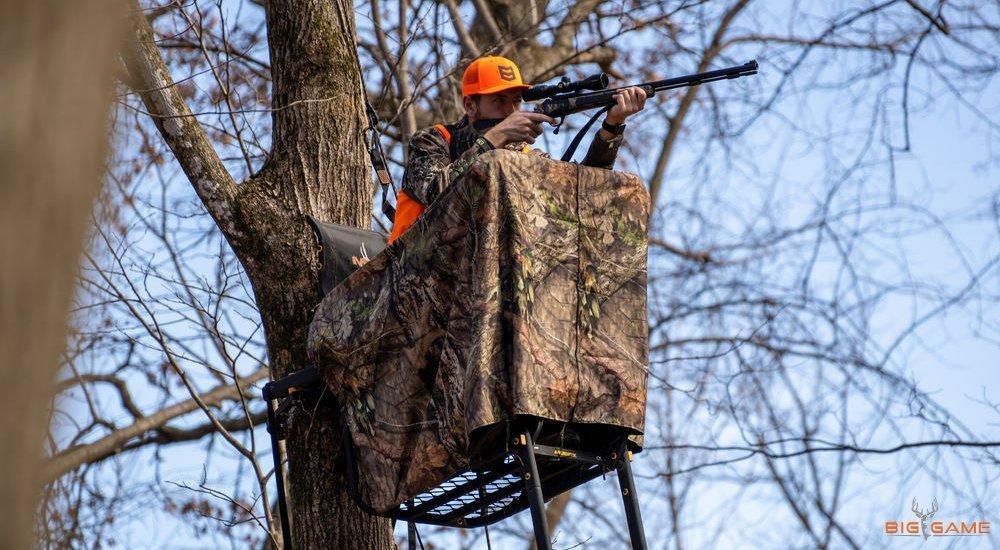
Even hunters who are just starting out know that having a bird’s eye view of the surroundings is the best way to locate game while still remaining concealed. The safest and most effective way to achieve this is by investing in the proper hunting treestand. A treestand is a portable platform that allows you to safely and easily move to a higher vantage point. There are four main types of treestands—hang-on treestands, ladder treestands, climbing treestands, and saddle treestands. Each type of treestand offers slightly different features and functions to fit your hunting needs. Understanding each type helps you determine the best type of treestand for your needs.
4 Essential Treestand Factors
Before determining which type of treestand works best for you, you need to keep four pieces of information top of mind—material, mobility, weight capacity, and safety.
-
Treestand Material: Most treestands are built from aluminum or steel for durability and reliable performance. Aluminum treestands are usually lighter, while a steel treestand will be stronger.
-
Treestand Mobility: Treestand mobility is an important factor when choosing a treestand. Portable treestands can quickly be set up on a variety of different trees, allowing hunters to explore different areas and move locations quickly. They are a great option for the mobile hunter.
-
Treestand Weight Capacity: Every treestand will note how much weight it can hold. The weight capacity of a treestand includes both the hunter’s weight and the weight of the gear.
-
Treestand Safety Harness: No matter which type of treestand you choose to use while hunting, we always recommend every hunter wear a safety harness. With a treestand safety harness, you’ll stay secure to the tree should something happen with the treestand from the moment you start climbing up the tree until your feet touch the ground at the end of your hunt.
Saddle Treestands
Saddle treestands are becoming increasingly popular as they offer an alternative to both climbing and hang-on treestands. This type of treestand is designed to provide hunters with a comfortable seat which attaches to the tree trunk via nylon straps. The seat allows for a greater amount of mobility than other types of treestands. Saddle treestands are lightweight and portable, making them ideal for mobile hunting. While there are several advantages of using a saddle treestand, it does take a bit of practice and experience to get used to using one.
| Pros | Cons |
|---|---|
| Compatible with any tree height | Requires climbing sticks, screw-in steps (depending on state restrictions), or other step options |
| Wide variety of stand bases and seats available | Straps can weather quickly with long-term use |
| Highly portable and versatile | May not offer enough adjustability to accommodate trees with dramatic slants or angles |
| Quick and quiet operation | |
| Natural cover of trees allows for easy positioning |
Hang-On Treestands
A hang-on treestand is designed for hunters who want to get up quickly and quietly to their position. New lightweight options have made hang-on stands extremely portable, but you can still leave them up for extended periods of time and can easily move them throughout the season to follow changing deer patterns. With a hang-on treestand, you can move to any tree height with the aid of climbing sticks. To make installation even easier, some treestands have an available quick-release bracket sold separately.
| Pros | Cons |
|---|---|
| Natural tree cover allows for easy positioning | Takes practice and experience to adapt to |
| Compatible with any tree height | Not ideal for heavier hunters looking for a stationary stand |
| Extremely lightweight and portable | Requires climbing sticks or other step options* |
| Quick and quiet operation | |
| Allows for greater mobility |
*Expert Tip | Remember to Purchase Climbing Sticks
If you choose to invest in a saddle treestand or hang-on treestand, you’ll also need to purchase a set of climbing sticks too. Climbing sticks attach to the tree and create “stairs'' to help you get into your treestand. A growing trend among mobile hunters are tree saddles which allow you to use a smaller platform to rest your feet and a harness system to secure yourself to the tree.
Ladder Treestands - One or Two Man
When selecting a hunting treestand, hunters who prioritize comfort for convenience should start by looking at a ladder treestand. With a ladder treestand, hunters enjoy a larger, roomier platform compared to the other two types of treestands. Just as the name suggests, a ladder treestand features an attached ladder making it easier to climb into the stand. Although the heaviest and bulkiest option, a ladder treestand is incredibly secure once properly in position, making it ideal for rifle deer hunters who want a more permanent stand. It’s important to know that a ladder treestand includes several different parts and typically requires at least two people for set up.
| Pros | Cons |
|---|---|
| Very secure | Less portable |
| Comfortable, plenty of room | More visible to deer |
| 2-hunter capacity styles available | Heavier and difficult to set up (requires more than one person) |
| Often come with options for a rail to rest the gun on | Metal can be loud on contact |
| The best option for bringing a youth hunter with (aside from a ground blind/permanent stand) | Require more room for offseason storage |
Climbing Treestands
A climbing treestand is constructed of two different pieces—the seat and the platform. With a climbing treestand, you don’t need to pack or set climbing sticks as this type of treestand is designed to help you actually climb the tree (hence the name). Learning how to use a climbing treestand can be a bit challenging at first, but with some practice, you’ll become more efficient and confident. Although bigger and heavier than hang-on treestands, climbing treestands are carried like a backpack for easy portability and usually weigh between 15 to 35 pounds depending on the style. It’s important to note that using a climbing treestand may require some pruning of the trees in order to reach your preferred height.
| Pros | Cons |
|---|---|
| Fast setup (about 5 minutes) once an appropriate tree is found | Louder than other stands |
| No additional accessories needed | Heavier than hang-on stands and saddle setups |
| Portable | Requires practice for successful hunting |
| Simple design | Requires cleaner, straighter tree with limited knobs and uniform trunk shape for sturdy positioning |
| May need to position the stand at an angle when sitting higher up |
Additional Treestand Accessories
Aside from your treestand safety harness and treestand, you may want to consider adding a few treestand accessories to create a comfortable and safe hunt. For cushioning during long sits in the stand, add a padded treestand seat to your setup. For convenience in holding your bow in the stand, add a bow holder to your setup that helps keep your bow at your fingertips without having to hold onto it all day. Also, reflective tape allows you to mark your treestand for easy spotting.
If you have additional questions about the types of treestands for hunting or treestand accessories, speak to a Hunting Expert at your local SCHEELS.